

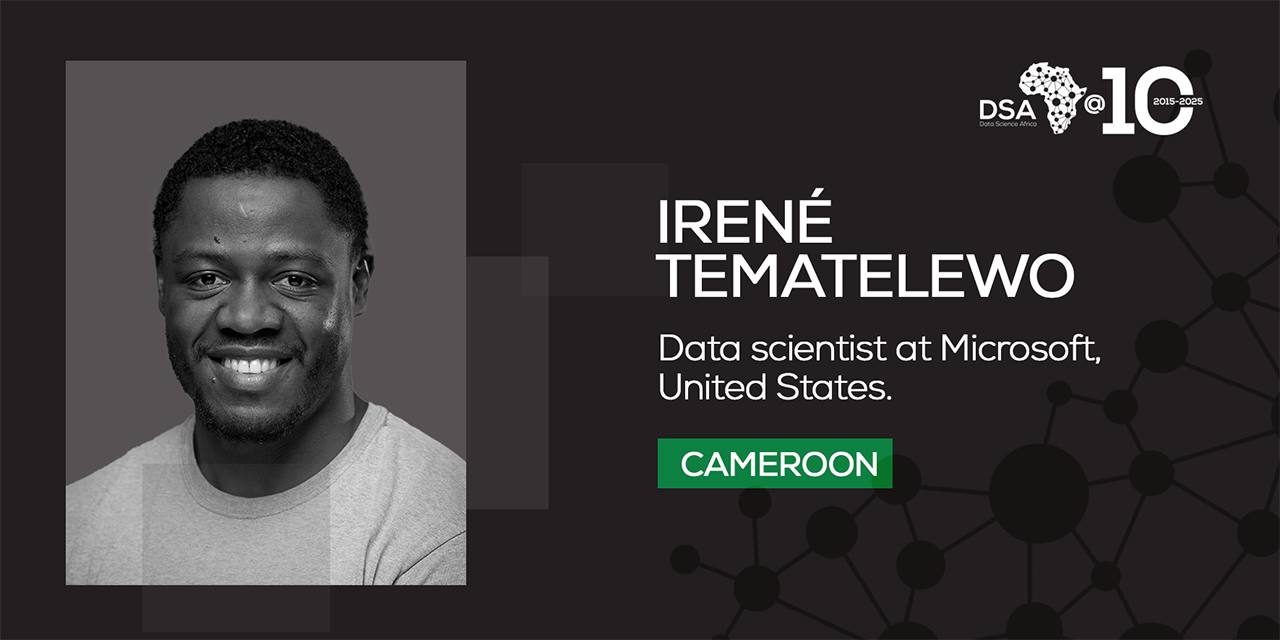
I still remember the day I realized my first startup dream wasn’t going to work out. I had poured my savings into building a mobile app to help people with type 1 diabetes predict their blood sugar levels. The idea was simple but ambitious: because insulin pumps were prohibitively expensive in many African countries, what if we could predict a patient’s blood sugar a few hours in advance and help them prevent dangerous highs and lows? I had no team, no funding, just a stubborn determination to succeed.
But reality soon hit hard. Without financial backing, quality data, and the resources to conduct rigorous testing, my startup couldn’t take off. I was at a crossroads. Then I attended a major startup competition in Johannesburg, South Africa, and saw how different the landscape was. I realized that if I wanted to make an impact, I needed to upskill, and that meant diving into machine learning and AI.
With a foundation in electrical engineering, I started learning on my own by watching YouTube tutorials, experimenting, and applying to conferences. A friend mentioned Data Science Africa (DSA), and I applied for the 2018 DSA summer school. For the first time, I was surrounded by ambitious, like-minded African peers and world-class mentors. One talk by Professor Thomas Dietterich on anomaly detection completely shifted my perspective. I had to push myself to approach him during a networking session, even though I’m naturally introverted. I explained my work – basic control-system models predicting blood sugar – and he offered advice, resources, and encouragement.
Months later, Professor Dietterich invited me to pursue a fully funded PhD at Oregon State University. That invitation changed the direction of my journey in ways I couldn’t have predicted. Today, I work at the Trans-African Hydro-Meteorological Observatory (TAHMO). TAHMO is on a mission to deploy 20,000 weather sensors across Africa, providing critical data for accurate forecasting, disaster preparedness, and agricultural planning.
I remain committed to projects that directly impact communities, now equipped with the tools, knowledge, and network to scale solutions sustainably.
DSA gave me confidence, mentorship, and a launchpad. My journey from a struggling startup in Cameroon to AI research and big-data projects across Africa shows that resilience and strategic networking can open doors you didn’t even know existed.
If I had one piece of advice for young Africans stepping into AI and data science: knock on every door. Keep learning, keep networking, and never underestimate the power of one conversation to change your life.